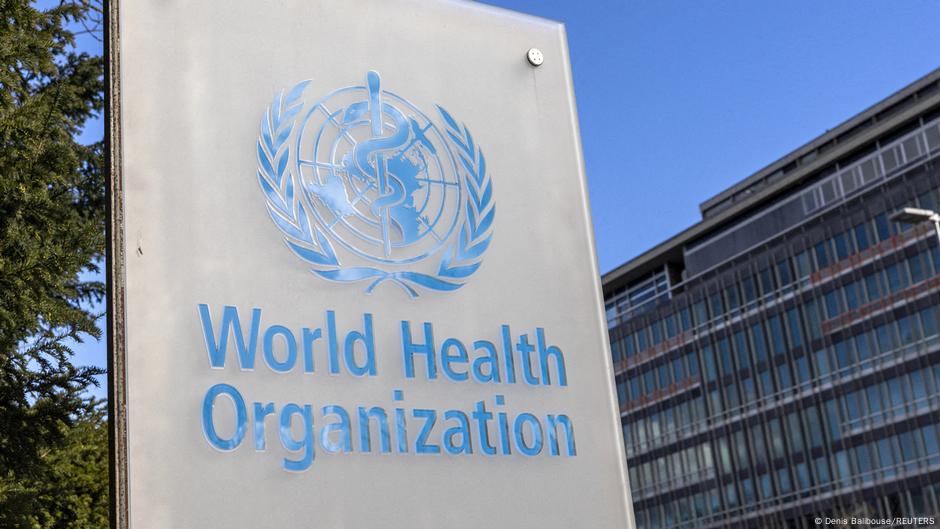
Member countries of the World Health Organization (WHO) concluded their discussions on Wednesday with an unprecedented accord aimed at readying the globe for potential future outbreaks after more than three years of talks.
The proposal will now undergo consideration at the World Health Assembly — the governing body’s decisive meeting — in May.
The WHO Director-General Tedros Adhanom Ghebreyesus stated that the proposed pact illustrates "that multilateral cooperation thrives even today, and amidst global fragmentation, countries have the capacity to collaborate effectively for mutual understanding and collective action against joint challenges."
What does the proposed WHO pandemic treaty include?
The Pandemic Agreement outlines strategies to combat pandemics and strengthen worldwide cooperation, in response to the disorder witnessed during the coronavirus outbreak.
A controversial aspect during the talks was Article 11, concerning the dissemination of medical technologies to countries in development.
Throughout the COVID-19 pandemic, poorer countries criticised wealthier nations for stockpiling vaccines and testing kits. Nations boasting substantial pharmaceutical sectors have strongly resisted the notion of compulsory technology transfers.
On Wednesday, an accord was reached which involved a concession stating that any transfer should only occur with mutual consent.
The agreement's text likewise suggests measures including the creation of a pathogen access and benefit-sharing framework. It also encompasses a "One Health approach" aimed at preventing pandemics along with plans for developing a worldwide supply chain and logistics infrastructure.
Honoring the independent authority of nations
Confirming the authority of countries to handle public health issues inside their own boundaries is likewise one of the main pillars of this proposition.
A flood of incorrect information and misleading statements circulated about the treaty. This included baseless assertions that the World Health Organization (WHO) would infringe upon state sovereignty, granting itself authority to enforce lockdowns and vaccination requirements.
According to the proposal, "no part of this draft agreement should be understood as granting the WHO any power to instruct, command, change, or establish national laws or policies, nor will it compel states to undertake particular steps like prohibiting or admitting travelers, enforcing vaccine requirements or implementing diagnostic or treatment procedures, or instituting lockdowns," stated the international health organization in an official release.
This accord would become binding solely for countries deciding to endorse it.
"At a time when multilateralism is under threat, WHO member states have joined together to say that we will defeat the next pandemic threat in the only way possible: by working together," said former New Zealand prime minister Helen Clark, co-chair of the WHO's Independent Panel for Pandemic Preparedness and Response.
Edited by: Zac Crellin
Author: Dharvi Vaid (with Reuters, dpa and AFP)