Researchers disclosed earlier this week that a vaccine currently being developed has shown effectiveness in safeguarding mice against infection. a lethal strain of avian influenza .
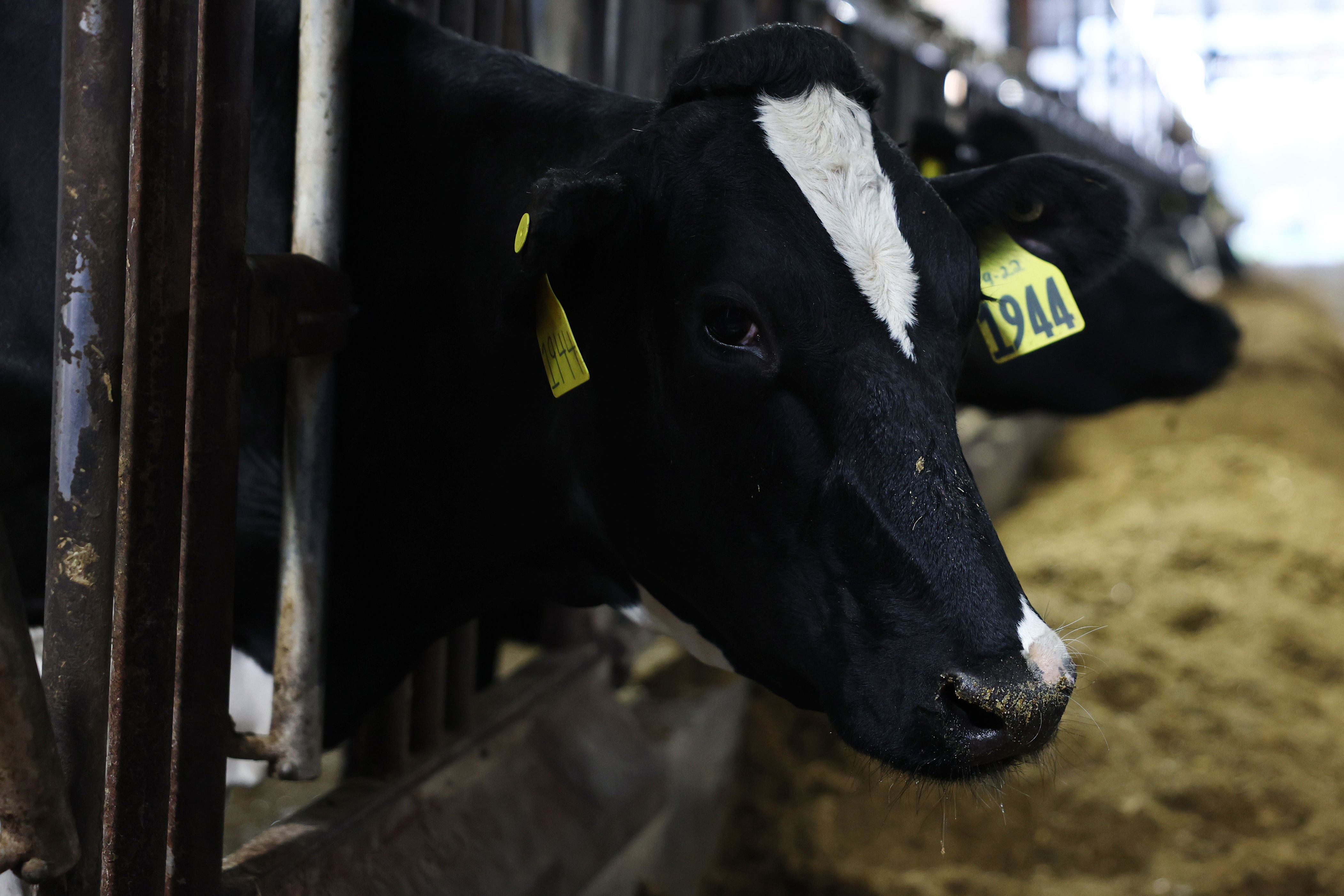
Researchers from the University of Buffalo suggest that their method might play a vital role in how the country tackles evolving avian influenza strains, which not only keep making people ill but also affect dairy cattle, result in the culling of vast numbers of chickens, and cause widespread shortages of eggs across the nation.
"We clearly still have considerable work ahead of us, however, the outcomes up until now are exceptionally promising," stated Professor Jonathan Lovell from the Department of Biomedical Engineering. statement .
Lovell is the primary author of the related study published on Thursday in the journal. Cell Biomaterials .
The study concentrated on the H5N1 strain referred to as 2.3.4.4b, which has led to extensive outbreaks among wild birds and poultry, besides affecting dairy cows, domestic cats, sea lions, and various other mammals.
During their study, the researchers devised a procedure for producing the trial vaccine by concentrating on Two main proteins that aid in forming the virus — both H5 and N1. This approach was referred to as a "vaccine platform," potentially distinguishing this vaccine from others used against avian influenza in humans and aiding in combating more potent and emerging variants.
This procedure introduces "his-tags," the foundational components of proteins, into H5 and N1. After integrating these his-tags along with their respective proteins inside minuscule sacs composed of cobalt, the natural substance porphyrin—which is vital for cellular membrane function—and additional elements. Subsequently, they incorporate adjuvants—substances employed to enhance the potency of vaccines.
What you get is referred to as a “recombinant protein vaccine.” It's created using only pieces of genetic material from the H5N1 virus, not with active or inactive forms of the virus itself, to stimulate an immune reaction in the mouse.
Although traditional flu vaccines are produced using viruses cultivated in eggs, recombinant ones are free from eggs.
"Since our vaccine doesn’t rely on eggs for production – unlike numerous influenza vaccines – it could be a quicker and more effective method to shield both people and creatures from lethal avian flu strains," Lovell stated.
For testing the vaccine, they employed dosages containing only H5 and N1 individually as well as these two proteins together. Their findings indicated that focusing solely on H5 offered total protection, whereas N1 resulted in partial protection. Participants who received formulations with both proteins also achieved full protection; however, this approach failed to surpass the efficacy of using just H5.
Lovell says those results show the important role that the H5 protein plays in developing immunity to bird flu. H5 doses help the body remember and destroy the intruder. Whereas, N1 doses reduce the severity of illness.
The group intends to focus further on the vaccine candidate by experimenting with various dosages and settings.
"These dual-purpose designs might prove highly beneficial as H5N1 continues to evolve," he stated.
Operating out of 12 different nations and presented in six distinct languages, The Independent stands as a genuinely global news entity. Being the pioneer among premium news outlets to wholly adopt a digital-only approach back in 2016, The Independent continues to lead the way. UK's biggest high-quality online news source and ranked among the top ten news brands in terms of reach within the United States.