The World Health Organisation has assessed 15 nations regarding their reaction to an imagined new pandemic, running simulations for this scenario deadly outbreak of a fictional disease .
Over 350 healthcare emergency specialists participated in a two-day simulation examining their response to "mammothpox," a fictional virus akin to smallpox. smallpox and mpox that was characterized as "deadly and rapid-spreading."
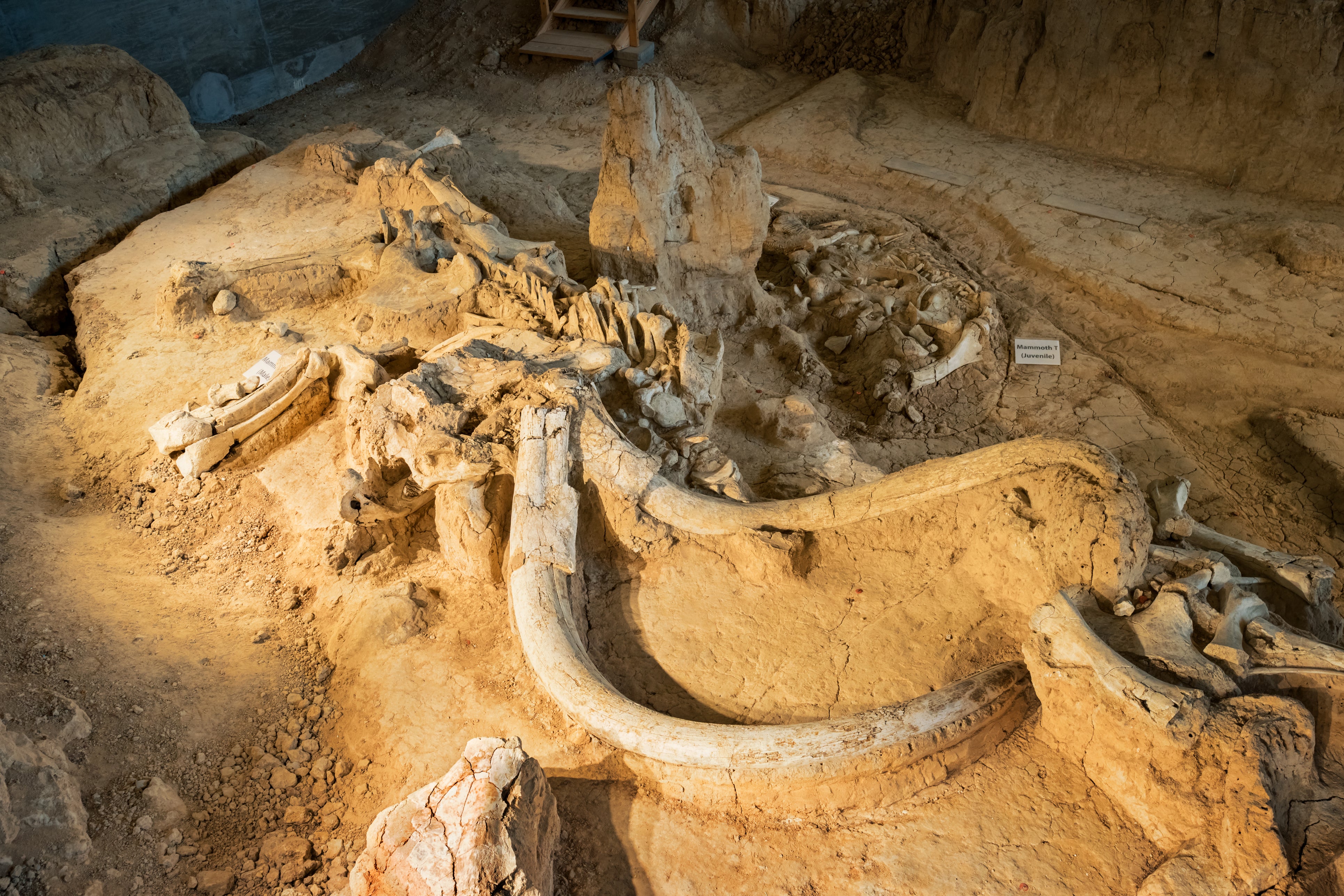
In the exercise dubbed Operation Polaris, the outbreak happened after a group of researchers uncovered the remnants of a woolly mammoth on the icy Arctic plains.
Delegates from various nations examined their strategies for managing the initial couple of weeks of the outbreak, as indicated by documents reviewed by us. The Independent.
According to the reports, "The Mammothpox illness is very serious, with a death rate that falls somewhere between that of Mpox and Smallpox." They further noted, "Despite having moderate contagiousness and little transmission from symptom-free individuals, it can be managed," provided there are "well-coordinated efforts akin to those used for SARS or Mpox".
The participants comprised Canada, Colombia, Costa Rica, Denmark, Ethiopia, Germany, Iraq, the Kingdom of Saudi Arabia, Mozambique, Nepal, Pakistan, Qatar, Somalia, Uganda, and Ukraine, along with several nations observing.
Every nation received a "little part of the puzzle" to assess how they would exchange data and collaborate to curb the virus’s propagation, as stated. The Telegraph .
The newspaper stated that authorities informed another nation about an Arctic scientist who "exhibited symptoms of a pox-like disease" and had embarked on a cruise liner with 2,450 tourists and 980 staff members.
On the second day of the drill, attendees learned that efforts to stop the transmission of the virus were being complicated by political issues and varying approaches.
Although certain nations enforced "tight border regulations, prohibited all foreign entrants, and limited domestic travel," as per the report from the newspaper, several others kept their "borders open with minor constraints." These latter countries depended more on "tracing contacts, enforcing quarantines, and isolating cases" instead.
In just a few weeks, ICUs became "oversaturated" and healthcare systems worldwide found it difficult to manage the situation.
The aim of the program was to observe how nations would handle a potential global epidemic, based on their previous experiences with Covid about five years prior.
Exercise Polaris put the WHO’s Global Health Emergency Corps through its paces. This initiative aims to bolster national emergency response teams, streamline the dispatch of additional personnel and specialists, and improve cooperation among nations.
Dr Tedros Adhanom Ghebreyesus The WHO Director-General stated: "This initiative demonstrates that when nations take the lead and collaborators join forces, global readiness improves."
No single nation can confront the subsequent pandemic in isolation. Exercise Polaris demonstrates that international collaboration is not just feasible – it is crucial.
Operating across 12 nations and available in six different languages, The Independent stands as a genuinely global news outlet. As the pioneer among premium news platforms to wholly adopt a digital direction back in 2016, The Independent continues to lead the way. UK's biggest high-quality online news source and ranked among the top ten news brands in terms of reach within the United States.