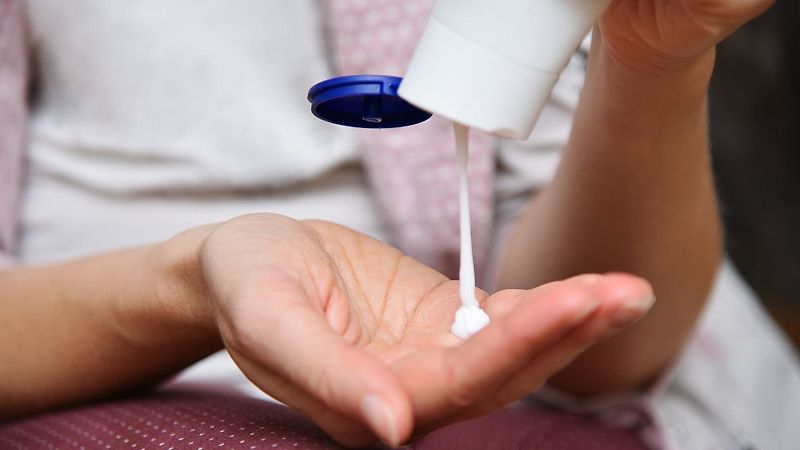
An all-time high of dangerous goods for consumers was documented across the European Union in the previous year, where substances posing potential harm from toxins played a significant role.
There were more than 4,100 warnings regarding these items in 2024 , The most severe instance detected over the last 20 years, as per a recent European Commission study, indicates that "hazardous substances" were discovered in cosmetic products, e-cigarette fluids, apparel, inexpensive jewelry, and playthings.
The alerts were issued via the EU’s Safety Gate Rapid Alert System, enabling nations to flag consumer and professional items posing risks to public health and welfare.
It covers a wide range of issues including prohibited substances, as well as dangers related to suffocation, strangulation, and items that might impair hearing or vision.
Food and medications are excluded as they have separate warning systems in place.
Below are some crucial chemicals found in both consumer goods and industrial items within the EU during the previous year, along with their implications for human well-being.
Synthetic fragrance
A man-made scent known as 2-(4-tert-butylbenzyl) propionaldehyde, also referred to as BMHCA, was detected in almost every cosmetic product posing potential chemical hazards.
BMHCA is frequently utilized in fragrances, cosmetics, creams, antiperspirants, and hair care items, featuring a floral aroma similar to lily of the valley.
However, it was prohibited in cosmetic products in the European Union starting from March 2022 due to worries that it might impair human fertility and harm infants during pregnancy, as well as cause skin irritation.
If you're concerned about locating BMHCA on store shelves, you can spot it listed among a product's ingredients as butylphenyl methylpropional.
Restricted ‘forever chemicals’
Short-chain chlorinated paraffins, referred to as SCCPs, are a class of industrial substances utilized as fire retardants. They can typically be discovered in older rubber and plastic products such as conveyor belts, hoses, wires, and seals.
These substances fall under the category of PFAS, also known as "Forever Chemicals," which do not degrade easily in nature. As a result, they tend to build up within the food chain and organisms over time.
It is prohibited to bring SCCPs into the European Union, and stringent rules govern their usage; however, the report stated that these chemicals were discovered in cables within the EU territory last year.
Research indicate s that chlorinated paraffins may cause liver and kidney damage, hurt children’s development, cause endocrine disorders and reproductive problems, and lead to immune system issues.
People exposed to those having shorter carbon chains and higher levels of chlorine might face greater risks to their well-being.
The report stated, "These substances present risks both to human health and the environment since they can be harmful to aquatic life even at minimal levels of concentration and accumulate within wildlife and humans over time."
Lead
According to the report, toxic lead was discovered in soldering materials – substances utilized for joining metallic components irreversibly – within the European Union during the previous year.
There is no amount of lead exposure deemed safe, and stringent limitations exist regarding workplace exposure within the EU. Nonetheless, each year, approximately 300 lead-related health complaints in Europe.
Individuals may breathe in particles when lead-based substances are burnt, reclaimed, or have their paint removed. Additionally, exposure can occur if someone consumes tainted water, food, or dust, as stated in the source material. World Health Organization (WHO).
Lead can enter the brain, liver, kidneys, and bones. It impacts the reproductive and cardiovascular systems and can harm infants' development.
In Western Europe, almost 2.5 million young people and adolescents It is thought that these individuals may have blood lead levels of at least five micrograms per deciliter, which has been associated with reduced IQ, cognitive difficulties, and attention deficit hyperactivity disorder (ADHD), as well as various other health concerns.